
Introduction
Embarking on Vegan and Vegetarian Travel: Finding Options Everywhere transforms every restaurant menu into an invitation rather than a challenge. As plant-based diets rise globally, more destinations welcome vegans and vegetarians with open arms—and creative cuisine. In this guide, we’ll explore how to research ahead, leverage apps, and navigate local markets so you never worry about sustenance on the road. Whether you’re strolling Tokyo’s tofu stalls or savoring falafel in Marrakech, Vegan and Vegetarian Travel: empowers you to find delicious, ethical meals in every corner of the globe.

What Is Vegan and Vegetarian Travel?
“Vegan and Vegetarian Travel” refers to journeys planned specifically around plant-based eating habits. Vegans exclude all animal products—meat, dairy, eggs, honey—while vegetarians avoid meat but may consume eggs and dairy. Vegan and Vegetarian Travel: goes beyond dietary choice; it’s a lifestyle that influences where you stay, how you explore street food, and the tours you book.
Definitions and Distinctions
Vegetarian Travel: allows for dairy and egg dishes, increasing menu flexibility in regions where vegan options remain rare.
Vegan Travel: demands stricter research but often yields the richest culinary discoveries—like jackfruit curries in Southeast Asia or almond-milk lattes in Europe.
Plant-Forward Travel: a hybrid approach, where you prioritize vegetables and grains but remain open to occasional local specialties.
Understanding these distinctions prepares you to articulate needs clearly—especially in non-English-speaking countries—ensuring your meals align with your ethics and health goals.
Why Choose Plant-Based Travel?
Health and Sustainability Benefits
Opting for Vegan and Vegetarian Travel: supports both personal well-being and the planet. Research shows plant-based diets can lower heart disease risk and improve digestion, making long days of sightseeing more enjoyable. Environmentally, reducing reliance on animal products cuts your carbon footprint—critical for the eco-minded explorer. Every tofu taco or chickpea stew helps conserve water and reduce methane emissions, turning your holiday into an act of green activism.
Deep Cultural Immersion
Culinary traditions often revolve around local produce: imagine sampling heirloom tomatoes in Italy’s Emilia-Romagna, grilled plantains at a Costa Rican sodalicious stand, or vegan dumplings in a Beijing hutong. Embracing Vegan and Vegetarian Travel: unlocks unique cultural exchanges—you chat with farmers at organic markets, learn home-style recipes in community-run cooking classes, and make connections over shared values of health, ethics, and sustainability.
Planning Your Plant-Based Journey
Research and Pre-Trip Prep
Effective Vegan and Vegetarian Travel: starts before you pack.
Destination Research: Scan blogs, forums, and guidebooks for up-to-date restaurant lists.
Social Media Groups: Join Facebook or Reddit communities (e.g., r/vegantravel) to get peer-recommended spots.
Download Apps: Install HappyCow, Google Translate, and local food delivery services so you can search offline and communicate dietary restrictions instantly.
Booking Vegan-Friendly Accommodation
Choosing the right lodging can simplify meal planning:
Vegan-Certified Hotels: Some B&Bs and hostels advertise plant-based breakfast menus or on-site vegan cafés.
Airbnb Experiences: Book a stay with hosts who offer vegan cooking workshops—try the Hidden Gems guide for unusual vegan homestays.
Kitchen Access: For longer trips, an apartment rental lets you shop local markets and prepare meals, reducing costs and food waste.
Once you’ve locked in a vegan-friendly place to stay, having a step-by-step roadmap can make all the difference. I’ve been relying on the Travel Mastery Program—it’s packed with curated plant-based itineraries, budget breakdowns, and insider tips that take the guesswork out of finding the best vegan and vegetarian spots worldwide. Discover more here and turn your plant-based travel dreams into reality.
Language and Translation Tools
Conveying “No meat, no dairy, no eggs” in the local tongue is crucial. Create a small cheat sheet:
Spanish: “Soy vegano/a. Sin carne, lácteos ni huevos.”
Thai: “ผม/ฉัน เป็นมังสวิรัติ ไม่กินเนื้อ ไม่กินนม ไม่กินไข่”
Arabic: “أنا نباتي/نباتية بدون لحم أو ألبان أو بيض”
Use Google Translate’s offline mode to store these phrases. A simple photo of your dietary needs on your phone can save you from miscommunication and guarantee safe, enjoyable meals.
Finding Options Everywhere
Global Apps and Websites
Harness technology for seamless Vegan and Vegetarian Travel:
HappyCow (Website): A crowdsourced directory of vegan/vegetarian restaurants worldwide.
Abillion: Reviews and photos from plant-based diners.
Deliveroo/GrabFood: In many Asian cities, these apps let you filter for vegan meals and have them delivered directly to your accommodation.
Local Markets and Supermarkets
For authentic, budget-friendly bites:
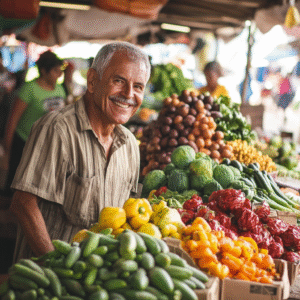
Farmers’ Markets: Seasonal produce, homemade vegan cheeses, and artisanal granola bars.
Supermarkets: International chains like Carrefour or Tesco often stock dairy-free milks and plant-based meats.
Street Stalls: Look for grilled vegetable skewers, fresh spring rolls, or roasted corn—often naturally vegan and bursting with local flavor.
Asking Locals and Social Media
Never underestimate the power of a friendly question. Taxi drivers, tour guides, or baristas can recommend hidden veggie stands. Snap a quick story on Instagram tagging your location—followers often reply with real-time tips. By combining digital and human networks, Vegan and Vegetarian Travel: becomes a social adventure as much as a culinary one.
Regional Vegan and Vegetarian Hotspots
Asia’s Plant-Based Paradises
Taipei, Taiwan: The “Mekka” of vegan buffet spots and night-market tofu innovations.
Chiang Mai, Thailand: Dozens of vegan cooking schools and all-vegan cafés in the Old City.
India (Nationwide): Many regions celebrate lacto-vegetarianism—just request “no ghee” or “no paneer” to go fully vegan.
Europe’s Green Cities
Berlin, Germany: Hundreds of vegan eateries, from kebab shops to high-end dining.
Porto, Portugal: A rising scene of plant-based wine tours and vegan pastel de nata.
Bologna, Italy: Tag along on a vegan pasta crawl—yes, plant-based Bolognese exists!
Americas: From North to South
Portland, USA: A capital of vegan donuts, food carts, and cruelty-free breweries.
Mexico City, Mexico: Vibrant street-food culture with vegan tacos, tamales, and fresh aguas frescas.
Buenos Aires, Argentina: An emerging vegan scene alongside traditional parrillas—try seitan churrasco!
Africa and Oceania Highlights
Cape Town, South Africa: Vegan wine tours in Stellenbosch and jackfruit curries at local markets.
Melbourne, Australia: A café culture where almond-milk lattes and vegan avo toast are standard.
Tel Aviv, Israel: Sometimes called the world’s most vegan-friendly city—don’t miss sabich and hummus flights.
Essential Tools and Resources
Fuel your Vegan and Vegetarian Travel: with these must-have resources:
Vegan Society (External link) for definitions and travel guides.
YouTube Vlog: Watch this practical guide—Best Vegan Travel Tips on YouTube—to see plant-based dining around the world in action.
Internal Resource: Pair your plant-based journey with our Eco-Friendly Travel tips for a truly green adventure.
Etiquette and Cultural Tips
Respect local customs while maintaining your diet:
Avoid Offense: Some cultures view meat abstention as strange—explain kindly and thank hosts profusely.
BYO Snacks: Carry energy bars or dried fruit for remote areas where plant-based options vanish after dark.
Participate: Join community-run vegan potlucks or festivals—these events foster goodwill and memorable encounters.
Safety and Nutritional Considerations
Maintain balanced nutrition on the move:
Diversify Protein: Seek beans, lentils, tofu, tempeh and fermented soy products.
Supplement Wisely: Consider B12, iron, and omega-3 supplements if local cuisine lacks diversity.
Stay Hydrated: Tropical climates increase fluid needs; always confirm water safety and bring a reusable filter bottle if needed.
Community and Social Impact of Plant-Based Travel
Supporting Local Plant-Based Initiatives
Vegan and Vegetarian Travel: isn’t just about what you eat—it’s also about how your choices support communities. Seek out cafés, restaurants, and street stalls that partner with local growers or donate surplus food to shelters. Many plant-based venues run or sponsor community gardens, cooking classes for low-income families, or school nutrition programs. By dining at these spots, you directly fuel social programs and help sustain small-scale farmers. Next time you’re in a new city, ask your host or guide if they know of any “pay-what-you-can” vegan pop-ups or food-sharing events—you’ll leave a positive footprint and discover grassroots initiatives you might otherwise miss.
Building Connections Through Vegan Events
Festivals, meetups, and pop-up markets are hubs for cultural exchange and plant-based innovation. Scan local event listings for vegan potlucks, cruelty-free fashion shows, or documentary screenings. At these gatherings, you’ll meet educators, chefs, and fellow travelers who share tips on hidden menus and sustainable living hacks. Many cities host monthly “Green Drinks” networking nights where you can swap recipes, plan group table bookings, or even find a local couchsurfing host passionate about vegan culture. These connections not only enrich your itinerary but can also lead to unexpected invitations—like a home-cooked feast in someone’s apartment or a volunteer gig at a community kitchen.
Volunteering and Farm Stays for Plant-Based Explorers
Hands-On Experience on Organic Farms
Imagine tending heirloom tomato fields in Tuscany or harvesting soybeans at a Japanese permaculture site—all while deepening your understanding of plant-based food systems. Vegan and Vegetarian Travel: opens doors to WWOOF (Worldwide Opportunities on Organic Farms) and similar programs that match travelers with vegan-friendly farms. In exchange for a few hours of work each day—pruning, weeding, or packaging produce—you receive free lodging and meals. These immersive stays teach sustainable agriculture practices, permaculture design, and seasonal cooking techniques, equipping you to recreate these experiences at home. Plus, you build friendships with farm hosts and fellow volunteers from around the globe.
Cultural Exchange Through Sustainable Agriculture
On many vegan-focused farms, meals are communal events: think spicy jackfruit stews in Costa Rica or miso-glazed eggplants in rural Japan. Sharing food you helped grow fosters genuine connections and cultural insight. Hosts often invite volunteers to local festivals or introduce them to indigenous ingredients and ceremonies. Whether you’re learning traditional fermentation methods or mastering the art of gluten-free flatbreads, these hands-on workshops bridge the gap between tourism and stewardship. This form of travel transcends sightseeing—each task, from planting seedlings to preparing a communal dinner, becomes a lesson in respect for land, food systems, and the people who nourish them.
Plant-Based Souvenirs and Ethical Shopping
Choosing Artisan Vegan Products
Souvenirs can embody a destination’s flavor and soul—opt for locally crafted items that celebrate plant-based living. Look for handcrafted nut milks in ceramic bottles, small-batch seed butters, or vegan spice blends made by community cooperatives. Popular marketplaces often feature stalls selling cruelty-free leather goods (like mushroom or pineapple leather wallets) and botanical skincare bars. These one-of-a-kind finds tell stories of local creativity while supporting sustainable livelihoods. When you purchase directly from artisans—whether at a weekend market in Lisbon or a co-op in Oaxaca—you ensure fair pay and encourage the growth of ethical enterprises.
Reducing Waste with Eco-Friendly Packaging
Embrace zero-waste principles by choosing souvenirs with minimal or recyclable packaging. Many vegan shops now offer refill stations for grains, nuts, and dried fruits—pack your own glass jar or cloth bags instead of buying pre-packaged snacks. When selecting gift items, look for brands that use compostable wrappers or upcycled materials. A reusable bamboo cutlery set from a Bali market or a handwoven jute tote from India combines utility with eco-conscious design, reminding you of your journey every time you use it. Thoughtful, sustainable shopping complements Vegan and Vegetarian Travel: by reducing waste and celebrating the ingenuity of local artisans.
Conclusion
By embracing Vegan and Vegetarian Travel: you open doors to healthier, more sustainable, and culturally immersive journeys. With pre-trip research—downloading apps like HappyCow—paired with on-the-ground tactics such as exploring farmers’ markets and asking locals, you’ll find plant-based options in the busiest metropolises and most remote villages alike. Whether you’re savoring tofu-filled bao in Taipei, sipping almond-milk lattes in Melbourne, or enjoying vegan tacos in Mexico City, Vegan and Vegetarian Travel: ensures your ethics and taste buds stay in harmony. Pack your cheat-sheet translations, charge your phone for navigation, and let every meal become an opportunity to connect with new places and compassionate communities worldwide.
Frequently Asked Questions (FAQ)
Q1: How do I find vegan options in small towns?
Use apps with offline maps—HappyCow’s downloadable listings often include small-town cafés. If digital fails, visit local markets for fresh produce and ask residents for homemade specialties.
Q2: Is vegan travel more expensive?
Often not. Street food and markets can cost less than tourist restaurants, and cooking in a kitchen-equipped rental can slash dining expenses. Budget-minded vegans thrive on local staples like rice, beans, and seasonal fruits.
Q3: How can I ensure I get enough protein?
Diversify with lentils, chickpeas, tofu, quinoa, nuts, and seeds. Many global cuisines feature plant proteins—Indian dals, Ethiopian injera with lentil stews, and Japanese edamame snacks.
Q4: What if language barriers block my dietary needs?
Carry a printed translation card or use offline Google Translate phrases. In many cities, vegan symbols (🌱) on menus help guide you.
Q5: Are there vegan cooking classes abroad?
Yes—look for experiences on Airbnb or local vegan communities. Cooking alongside locals offers cultural insights and recipes you can recreate at home.
Q6: How do I handle cravings for non-vegan foods?
Plan cheat meals at renowned vegan restaurants that mimic traditional dishes—vegan burgers in Portland or jackfruit “pulled pork” in Seoul—so you never feel deprived.

