
Introduction
Welcome to my comprehensive guide on Travel Photography Tips: Capture Stunning Moments on the Go. In this article, I share extensive research, expert insights, and personal experiences to help you elevate your travel photography skills while exploring the world. Whether you’re a beginner eager to learn the basics or an experienced photographer looking for fresh inspiration, this guide is designed to help you capture breathtaking moments on the go. Our focus keyword is Travel Photography Tips: Capture, which embodies the essence of discovering techniques that empower you to document your adventures creatively and efficiently. For additional travel preparation tips, check out our Nomad Packing List and Solo Travel Safety Tips. To see a visual glimpse of professional travel photography setups, view our image :
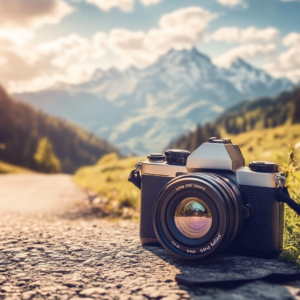
In this guide, you’ll learn how Travel Photography Tips: Capture can transform the way you document your journeys, ensuring that every snapshot tells a story and every image is a work of art.
Why Travel Photography Tips: Capture Matters
Travel photography is more than just taking pictures—it’s about telling stories, preserving memories, and sharing your unique perspective of the world. Travel Photography Tips: Capture matters because high-quality images can transport viewers to different places and evoke emotions that words sometimes cannot express. As you explore new destinations, capturing stunning moments allows you to relive your adventures and inspire others to embark on their own journeys. With the rise of social media and digital platforms, impactful travel photos have become a powerful tool for communication and self-expression. Esteemed publications such as National Geographic and Forbes regularly feature travel photography that highlights the beauty and diversity of our planet. By following effective travel photography tips, you not only enhance your portfolio but also contribute to a broader narrative of cultural exchange and global awareness.
As you wander through stunning landscapes and hidden corners of the world, capturing those moments in a way that truly resonates with your audience can feel like a challenge—especially when you’re juggling camera gear, Wi-Fi spots, and limited editing time. That’s why I’ve been exploring an easy, AI-powered approach to creating scroll-stopping TikTok clips from anywhere in the world.
Learn how to Create Viral Videos on TikTok with Artificial Intelligence walks you through the exact tools and prompts you need to generate eye-catching visuals and dynamic edits, even if you’re new to video production. I gave it a try on my last road trip, and within minutes I had vibrant, high-energy clips that showcased both the scenery and my personal travel story.
Essential Gear and Equipment
A well-curated travel photography kit is fundamental for capturing high-quality images on the go. Your equipment should be versatile, lightweight, and durable enough to withstand the challenges of travel. Start with a reliable digital camera that suits your style—DSLRs or mirrorless cameras are popular among professionals, while high-end compact cameras can also deliver excellent results for those who prefer a more portable option. Alongside your main camera, include essential accessories such as extra batteries, memory cards, and a sturdy, portable tripod for stable shots.
Don’t overlook the importance of lenses: a wide-angle lens is great for capturing expansive landscapes, while a prime lens can help achieve sharp portraits and low-light shots. Additionally, consider a compact drone if you’re interested in aerial photography, which can offer unique perspectives and breathtaking views. For more detailed gear recommendations, refer to our Digital Nomad Lifestyle guide, which covers the best tools for remote work and travel photography. By carefully selecting your equipment, you ensure that your Travel Photography Tips: Capture kit is optimized for any scenario, from bustling urban scenes to tranquil natural landscapes.
Planning Your Photography Journey
Before setting out on your adventure, strategic planning is key to successful travel photography. Begin by researching your destination to understand its landscapes, culture, and light conditions. Look for iconic landmarks, hidden gems, and local events that might offer unique photographic opportunities. Create a shot list—a detailed plan of the types of images you want to capture, including landscapes, portraits, street photography, and cultural moments.
Mapping out your journey with tools like Google Maps is essential. Use Google Maps to plot scenic routes, locate interesting stops, and even get real-time traffic updates to optimize your travel schedule. This ensures you’re well-prepared to seize every photographic opportunity that arises during your trip. Flexibility is also vital; while a plan helps you stay focused, leave room for spontaneous moments that often lead to the best photographs. Utilizing online resources like Lonely Planet can provide valuable insights into lesser-known spots and local photography tips. With a well-organized plan, your Travel Photography Tips: Capture journey will be both structured and spontaneous, allowing you to maximize your creative potential.
Techniques for Capturing Stunning Moments
Capturing stunning moments on the go requires a blend of technical skill and artistic vision. Begin by mastering your camera’s settings, such as aperture, shutter speed, and ISO, to adapt to different lighting conditions. Experiment with techniques like long exposure for capturing motion, or use a shallow depth of field to emphasize your subject.
Timing is crucial in photography—learn to anticipate the “golden hour,” the period just after sunrise or before sunset when the light is soft and warm, perfect for capturing landscapes and portraits. Experiment with different angles and perspectives to add depth and interest to your images. For example, try shooting from a low angle to emphasize foreground elements, or capture reflections in water to create symmetry.
Don’t hesitate to take multiple shots of the same scene; sometimes the best photo is the result of patience and persistence. Online tutorials on platforms like YouTube offer step-by-step guidance on various techniques that can enhance your skills. These methods form the foundation of Travel Photography Tips: Capture that will help you document moments with clarity and creativity.
Composition and Lighting Tips
Effective composition and lighting are the cornerstones of a powerful photograph. Apply the rule of thirds by imagining a grid over your frame and positioning your subject along these lines to create balanced and engaging images. Experiment with symmetry, leading lines, and framing techniques to draw the viewer’s eye to the focal point of your photograph.
Lighting, whether natural or artificial, plays a critical role in the mood and clarity of your images. Utilize natural light during the golden and blue hours to achieve soft, diffused lighting that enhances your subject. When shooting in harsh midday sunlight, consider using a polarizing filter to reduce glare and increase color saturation. Additionally, if you’re photographing in low-light conditions, try using a tripod and slow shutter speeds to capture sharp images without sacrificing quality. These compositional techniques and lighting strategies are integral components of Travel Photography Tips: Capture and can dramatically improve the visual impact of your photos.
On-the-Go Shooting Tips and Challenges
Shooting on the go presents its own set of challenges—from unpredictable weather to fast-moving subjects. To overcome these obstacles, always be prepared to adjust your settings quickly and remain flexible in your approach. Use the burst mode on your camera to capture fast action, and take advantage of manual settings to fine-tune your exposure in varying light conditions.
Staying organized is also crucial; having a pre-planned shot list and keeping your gear easily accessible allows you to seize spontaneous moments without delay. Whether you’re photographing bustling city streets or serene natural landscapes, quick reflexes and preparedness are key. Embrace the unpredictability of travel by experimenting with different techniques and not being afraid to take risks.
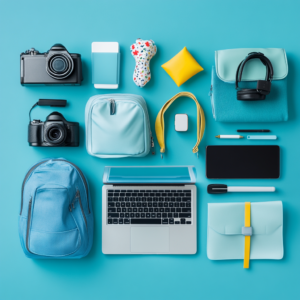
This section on on-the-go shooting tips embodies the spirit of Travel Photography Tips: Capture by preparing you to handle any situation with confidence and creativity.
Editing and Post-Processing Strategies
The work of a travel photographer doesn’t end once you capture the perfect shot—it continues in the editing process. Post-processing allows you to enhance your images, correct imperfections, and bring out the best in your photographs. Software like Adobe Lightroom and Photoshop is essential for adjusting exposure, contrast, and saturation.
Begin by organizing your photos and selecting the best shots that truly represent your vision. Use presets or create your own editing workflow to maintain consistency across your portfolio. Focus on subtle enhancements that preserve the natural beauty of your subjects while improving clarity and impact. Additionally, consider mobile editing apps such as Snapseed or VSCO for quick adjustments on the go. These post-processing techniques are vital for finalizing your Travel Photography Tips: Capture images and ensuring they are ready to share with the world.
Case Studies: Successful Photography Journeys
Real-life examples of travel photography success can provide invaluable insights into effective practices. One case study features a digital nomad who traveled across the American Southwest, capturing dramatic desert landscapes and vibrant sunsets using a combination of manual settings and post-processing techniques. This photographer’s dedication to planning and adaptability led to a portfolio filled with stunning images that garnered international recognition.
Another inspiring story involves a solo traveler who documented her journey through Europe, focusing on candid street photography and cultural interactions. By leveraging creative composition and natural lighting, she managed to capture authentic moments that resonated with a global audience. These case studies demonstrate that with the right Travel Photography Tips: Capture strategies, you can transform your travel experiences into a visually compelling narrative.
Stories from the Field
Testimonials from seasoned travel photographers often highlight the importance of preparation, adaptability, and continuous learning. Their stories reinforce that the journey to mastering travel photography is as enriching as the images themselves.
Lessons Learned
Key lessons include the importance of embracing spontaneity, practicing regularly, and staying open to new techniques and ideas. These insights confirm that applying effective Travel Photography Tips: Capture strategies can lead to significant improvements in your work and personal fulfillment.
Tips for Transitioning to a Remote Photography Lifestyle
Transitioning into a lifestyle where you work and travel as a photographer requires a blend of creative vision and practical planning. Start by setting clear goals for your photography—whether it’s building a portfolio, sharing your travel stories, or monetizing your work.
Invest in reliable gear and editing software, and develop a consistent workflow that allows you to produce high-quality images regardless of your location. Building a strong online presence through social media and photography blogs can also provide opportunities for networking and professional growth.
For those looking to blend photography with digital nomadism, our Digital Nomad Lifestyle guide offers comprehensive advice on balancing remote work with creative pursuits. Embracing these strategies will not only enhance your photography but also support a flexible, adventurous lifestyle.
Additional Resources and Expert Recommendations
For further insights on optimizing your travel photography, numerous resources are available to help you refine your skills and expand your creative horizons. Reputable websites like National Geographic and Forbes Travel Guide offer in-depth articles, tutorials, and inspiration from top travel photographers.
Our internal Digital Nomad Lifestyle and Nomad Packing List guides also provide practical advice on balancing work and travel, ensuring you have everything you need for a successful remote lifestyle. Additionally, community platforms like 500px and Fstoppers are excellent for sharing your work and learning from fellow photographers. For an engaging look at advanced photography techniques and gear reviews, I recommend watching this informative video on YouTube: https://www.youtube.com/watch?v=Z1Yd7upQsXY. This video offers practical tips that complement the strategies discussed in this guide and can help you elevate your Travel Photography Tips: Capture skills.
Recommended Online Resources
- National Geographic – For inspiring travel photography and expert tutorials.
- Forbes Travel Guide – For insights on high-quality travel experiences and photography tips.
- 500px – A platform to showcase your photography and connect with a community of enthusiasts.
Books and Digital Guides
Consider investing in eBooks and digital guides that focus on travel photography techniques, editing workflows, and gear recommendations. These resources provide in-depth reviews, step-by-step tutorials, and success stories that can help you refine your Travel Photography Tips: Capture approach.
Frequently Asked Questions (FAQ)
Q1: What are the essential items on a travel photography packing list?
A: Essential items include a reliable digital camera (DSLR or mirrorless), a selection of lenses, extra batteries and memory cards, a sturdy tripod, and necessary accessories like filters and lens cleaners.
Q2: How can I improve my photography on the go?
A: Practice using manual settings, learn composition techniques such as the rule of thirds, and be patient to capture the perfect moment. Additionally, experiment with different angles and lighting conditions to enhance your shots.
Q3: What should I consider when choosing a camera for travel photography?
A: Look for a camera that balances performance with portability. Consider factors like image quality, battery life, lens compatibility, and overall durability, especially in various travel conditions.
Q4: How do I edit my travel photos for the best results?
A: Use editing software like Adobe Lightroom or Photoshop to adjust exposure, contrast, and color balance. Subtle enhancements can significantly improve the visual appeal of your images without compromising their natural beauty.
Q5: Are there any apps that can help me with travel photography planning?
A: Yes, apps like PackPoint help generate a packing list based on your destination and weather, while tools like Google Photos and Adobe Lightroom offer organizational and editing features.
Q6: Where can I find more inspiration and tips for travel photography?
A: Reputable sites such as National Geographic and community platforms like 500px offer extensive resources and inspiration for capturing stunning travel moments.
Conclusion
In conclusion, Travel Photography Tips: Capture Stunning Moments on the Go provides a detailed roadmap for elevating your travel photography skills and embracing a remote lifestyle full of creativity and adventure. This guide has explored everything from essential gear and planning techniques to composition strategies, on-the-go shooting tips, and post-processing workflows.
Before embarking on your next journey, revisit this guide and leverage the internal resources provided to ensure that your photographic adventures are as enriching and seamless as possible. With careful planning, the right equipment, and a commitment to continuous improvement, you can capture stunning moments that tell your unique travel story and inspire others around the world.
I hope you find this guide empowering and that it serves as a valuable resource on your journey to capture stunning moments on the go. Happy travels!

