
Introduction
Welcome to my comprehensive guide on The Future of Travel: Trends Shaping Tourism in 2025. In this article, I share extensive research, expert insights, and personal experiences to help you understand how the travel industry is evolving and what these changes mean for global tourism. If you’re eager to learn The Future of Travel and discover trends that will revolutionize how we explore the world, you’ve come to the right place. This guide is designed for travelers, tourism professionals, and digital nomads who want to stay ahead of the curve as technology, sustainability, and consumer expectations reshape the travel landscape. For additional travel preparation tips, check out our Nomad Packing List and Solo Travel Safety Tips.

Why The Future of Travel Matters
Understanding The Future of Travel is essential for both travelers and industry professionals. As global tourism continues to evolve, emerging trends are not only changing how we travel but also reshaping the overall experience. These trends impact everything from booking procedures and in-flight services to destination management and local interactions. Publications such as Forbes and National Geographic frequently highlight that adaptability and innovation are the keys to success in today’s dynamic travel industry. For tourists, embracing these trends means enjoying more personalized, efficient, and sustainable travel experiences; for businesses, it signals the need to innovate and align with changing consumer expectations. In essence, the future of travel will influence our lifestyles, economies, and the environment, making it a subject of utmost importance.
Technological Innovations Driving Change
One of the most significant forces shaping the future of travel is technology. Emerging technologies such as artificial intelligence (AI), virtual reality (VR), and blockchain are revolutionizing how we plan, book, and experience travel. AI-powered chatbots and recommendation engines provide personalized travel suggestions and instant customer support. Virtual reality is enabling travelers to experience destinations before they even book a trip, thereby reducing uncertainty and enhancing the planning process. Blockchain, on the other hand, is improving security in transactions and ensuring transparency in booking systems.
These technologies are not only enhancing customer experience but are also streamlining operations for travel companies, reducing costs, and increasing efficiency. For example, platforms like Google Flights leverage AI to analyze flight data and predict the best times to book tickets, saving travelers both time and money. Integrating these technological advancements is a core component of The Future of Travel and is setting new standards in the tourism industry.
Sustainability and Eco-Friendly Tourism
Sustainability has become a central theme in the future of travel, as environmental concerns continue to shape consumer choices and government policies. Eco-friendly tourism is no longer a niche market; it is rapidly becoming the norm as travelers increasingly seek to minimize their environmental footprint. Sustainable practices in tourism include the development of eco-resorts, green hotels, and responsible travel initiatives that prioritize conservation and community well-being.
Destinations around the globe are now adopting sustainable measures, from reducing plastic waste to promoting renewable energy. Initiatives like carbon offset programs and eco-certifications for hotels are gaining traction. Travelers can make informed decisions by using platforms like Sustainable Travel International, which provide guidelines and certifications for eco-friendly travel options. Adopting these practices not only contributes to environmental preservation but also enhances the travel experience by connecting you with destinations that value sustainability. This is a pivotal aspect of The Future of Travel as both consumers and businesses strive for more responsible tourism.
Changing Consumer Behavior and Personalization
Consumer behavior in the travel industry has undergone a significant transformation in recent years. Today’s travelers expect highly personalized experiences tailored to their specific preferences and needs. The rise of data analytics and machine learning has enabled travel companies to offer customized itineraries, recommendations, and services that match individual tastes.
Personalization is evident in the way online travel agencies curate suggestions based on past behavior and preferences. Platforms like TripAdvisor and Expedia use algorithms to recommend hotels, activities, and restaurants that align with your interests. Social media influencers and travel bloggers also play a crucial role in shaping trends by sharing their authentic experiences, which helps set new expectations among travelers. This shift towards personalized travel experiences is a fundamental element of The Future of Travel and is revolutionizing the way we plan our journeys.
As you wander through stunning landscapes and hidden corners of the world, capturing those moments in a way that truly resonates with your audience can feel like a challenge—especially when you’re juggling camera gear, Wi-Fi spots, and limited editing time. That’s why I’ve been exploring an easy, AI-powered approach to creating scroll-stopping TikTok clips from anywhere in the world.
Learn how to Create Viral Videos on TikTok with Artificial Intelligence walks you through the exact tools and prompts you need to generate eye-catching visuals and dynamic edits, even if you’re new to video production. I gave it a try on my last road trip, and within minutes I had vibrant, high-energy clips that showcased both the scenery and my personal travel story.
Safety, Health, and Digital Security
In a post-pandemic world, safety and health have become paramount in travel planning. The future of travel is characterized by a focus on digital security, contactless services, and health protocols to ensure traveler safety. Airports, hotels, and transportation services are increasingly implementing advanced screening and contactless check-in procedures to minimize risks.
Digital security has also taken center stage as more transactions and travel-related activities are conducted online. Secure payment methods, encrypted communications, and VPNs are now standard tools for protecting personal data. Websites like Travel.State.Gov and Gov.uk Foreign Travel Advice offer up-to-date information on travel safety and health regulations, providing travelers with the knowledge needed to navigate a rapidly changing landscape. The integration of these safety measures is a crucial part of The Future of Travel and assures that your journeys are both enjoyable and secure.
Emerging Trends and Innovative Experiences
The future of travel is set to be defined by emerging trends that promise to revolutionize the tourism experience. One of the most exciting developments is the integration of augmented reality (AR) and virtual reality (VR) in travel planning and experiences. AR apps can overlay digital information onto the real world, enhancing sightseeing with historical facts, interactive maps, and virtual guides. VR, on the other hand, allows you to virtually visit destinations before booking a trip, offering an immersive preview of your travel experience.
Another innovative trend is the rise of personalized travel experiences that leverage big data to tailor itineraries specifically to your preferences. This level of customization transforms travel from a one-size-fits-all approach to a highly individualized adventure. Moreover, sustainable and community-based tourism initiatives are gaining momentum, offering travelers opportunities to engage with local communities in meaningful ways.
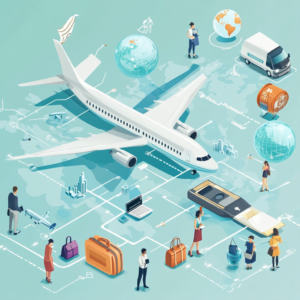
These trends are not only enhancing the travel experience but are also paving the way for a more interactive, sustainable, and personalized future in tourism.
The Impact of Global Events and Policy Shifts
Global events, such as pandemics, economic fluctuations, and geopolitical changes, have a profound influence on the travel industry. In 2025, the tourism landscape is being reshaped by these factors, driving the need for more flexible and adaptive travel strategies.
For example, the COVID-19 pandemic accelerated the adoption of contactless technology and health monitoring in travel, prompting airports, hotels, and transport services to innovate rapidly. Similarly, changes in visa policies and the introduction of digital nomad visas by several countries have opened new opportunities for remote workers and long-term travelers.
These policy shifts and global events are key drivers behind The Future of Travel: Trends and are influencing how destinations manage tourism, protect public health, and support economic recovery. Staying informed through sources like World Economic Forum and The Economist can help travelers navigate these changes effectively.
Case Studies: Real-World Travel Transformations
Real-life case studies provide compelling evidence of how emerging trends are shaping the future of travel. One notable example is a family vacation in a smart city where integrated technology, sustainable practices, and personalized services created an immersive and seamless experience. Travelers reported that digital tools enabled them to plan their itinerary efficiently, access real-time updates, and enjoy a stress-free journey.
Another case study features a digital nomad who relocated to a city that embraced modern connectivity and eco-friendly tourism. By leveraging advanced travel apps, secure digital payment methods, and a vibrant coworking culture, this individual was able to balance professional responsibilities with enriching cultural experiences.
These success stories highlight that the convergence of technology, sustainability, and personalization is not just a trend but a fundamental shift in how we experience travel. They reinforce the notion that The Future of Travel: Trends will continue to transform tourism, making it more adaptive, engaging, and resilient.
Stories from the Field
Travelers who have embraced these emerging trends often share stories of how innovative technologies and personalized experiences transformed their journeys. Whether it’s experiencing a city’s rich heritage through VR tours or enjoying sustainable travel options that minimize environmental impact, these real-world examples illustrate the tangible benefits of modern travel innovations.
Lessons Learned
Key takeaways from these case studies include the importance of adaptability, the value of leveraging technology for a personalized experience, and the need to prioritize sustainability and safety. These lessons confirm that the future of tourism is being shaped by trends that empower travelers to enjoy more meaningful and secure experiences.
Tips for Adapting to the Future of Travel
Adapting to the rapid changes in the travel industry requires a proactive and open mindset. To prepare for the future of tourism, consider the following strategies:
- Stay Informed: Regularly read industry publications and reputable websites such as National Geographic and Lonely Planet to stay updated on emerging trends and technological advancements.
- Embrace Technology: Invest in travel apps and digital tools that streamline planning, booking, and navigation. Leverage VR and AR experiences to preview destinations and make informed decisions.
- Prioritize Sustainability: Opt for eco-friendly travel options, support local businesses, and participate in sustainable tourism initiatives.
- Be Flexible: Adapt your travel plans based on real-time data and changing global conditions. Flexibility is key to navigating disruptions and seizing new opportunities.
- Invest in Personal Safety: With the evolving landscape, ensure you have robust digital security measures and health safety protocols in place.
Implementing these tips will help you stay ahead of the curve and fully embrace the innovations that define The Future of Travel: Trends.
Additional Resources and Expert Recommendations
For those who want to dive deeper into the future trends shaping tourism, numerous resources are available. Reputable websites like Forbes Travel Guide and Travel + Leisure offer in-depth analyses, interviews with industry experts, and comprehensive reports on emerging travel trends.
Our internal Digital Nomad Lifestyle guide also provides valuable insights on balancing work, travel, and emerging technologies. In addition, many travel blogs and YouTube channels, such as “Nomad List” and “Expert Vagabond,” regularly update their content with the latest travel innovations and success stories. For an engaging overview of how technology is revolutionizing travel, watch this informative video on YouTube: https://www.youtube.com/watch?v=Z1Yd7upQsXY. These resources not only provide data and expert advice but also inspire you to explore and adapt to the ever-changing tourism landscape.
Recommended Online Resources
- Forbes Travel Guide – In-depth reports and expert insights on travel trends.
- Travel + Leisure – Articles on emerging destinations and innovative travel experiences.
- Lonely Planet – Comprehensive guides and cultural insights for modern travelers.
Books and Digital Guides
Consider eBooks and digital guides that focus on the future of tourism. These resources offer detailed analyses of market trends, technological advancements, and sustainable practices that are shaping the industry. They can provide you with a roadmap for making informed travel decisions in a rapidly evolving landscape.
Frequently Asked Questions (FAQ)
Q1: What are the key trends shaping the future of travel?
A: Key trends include technological innovations (such as AI, VR, and blockchain), sustainability and eco-friendly tourism, personalization in travel experiences, enhanced safety and digital security measures, and the rise of digital nomadism. These trends collectively define The Future of Travel: Trends in 2025.
Q2: How is technology transforming the travel industry?
A: Technology is revolutionizing travel by providing personalized recommendations, enabling virtual previews of destinations, securing digital transactions through blockchain, and offering real-time updates and support via AI-powered platforms. Tools like Google Flights and virtual reality tours are prime examples of these innovations.
Q3: What role does sustainability play in the future of travel?
A: Sustainability is a major focus as both travelers and destinations work towards reducing environmental impact. Eco-friendly practices, energy-efficient infrastructure, and responsible tourism initiatives are increasingly prioritized to ensure long-term environmental and cultural preservation.
Q4: How can I prepare for changes in travel trends?
A: Stay informed by following reputable industry sources, invest in technology that enhances your travel experience, and adopt a flexible mindset. Embracing emerging trends and being proactive about safety and sustainability will help you adapt to the future of travel.
Q5: Are there digital nomad visas and policies affecting travel trends?
A: Yes, many countries are introducing digital nomad visas to attract remote workers, reflecting a broader trend toward flexible work arrangements. These policies are reshaping tourism by encouraging longer stays and deeper cultural engagement.
Q6: Where can I find more information on future travel trends?
A: Websites like National Geographic, Forbes Travel Guide, and Travel + Leisure provide extensive insights into emerging trends. Community platforms like Nomad List also offer valuable real-time data and reviews.
Conclusion
In conclusion, The Future of Travel: Trends Shaping Tourism in 2025 provides you with an extensive roadmap for understanding and embracing the shifts that are transforming the travel industry. This guide has delved into technological innovations, sustainability practices, evolving consumer behavior, safety enhancements, and the rise of digital nomadism—all of which are key components of The Future of Travel: Trends.

Before embarking on your next journey, revisit this guide and leverage the internal resources provided to stay ahead in this dynamic landscape. With careful planning, a forward-thinking mindset, and the right tools, you can not only adapt to but also thrive amidst the changing trends in global tourism.
I hope you find this guide empowering and that it serves as a valuable resource on your journey to understand and embrace the future of tourism. Happy travels!

