
Introduction
Travel is about discovery, wandering unfamiliar streets, and immersing yourself in new cultures. Yet the shadow of theft can turn excitement into stress—from a pickpocket on a crowded metro to a clever hacker on public Wi-Fi. Anti-Theft Solutions: Protecting your belongings abroad offers a complete security blueprint that pairs advanced gear—slash-resistant luggage, GPS trackers, portable door alarms—with time-tested habits like splitting cash across hidden pouches and encrypting critical documents. In this guide, you’ll learn how to select the right locks, master discreet money belts, secure devices with remote-wipe features, and cultivate the situational awareness that deters thieves before they strike. We’ll also explore psychological strategies for staying vigilant, how to leverage local networks for support, and the steps to take if things go wrong. By layering these defenses, you can journey freely, focusing on memories instead of misplaced belongings. Ready to fortify your travels and explore with peace of mind? Let’s dive in.
Understanding Theft Risks Abroad
Identifying where and how theft happens is the first step to deploying Anti-Theft Solutions: Protecting your trip. Knowledge of common schemes and victim profiles arms you against opportunists.
Common Theft Scenarios
Thieves adapt to their environment. In crowded subways, pickpockets work in teams—one creates a distraction while the other lifts wallets from back pockets. At baggage claims, unattended suitcases become easy marks for opportunists. Digital threats emerge in cafes and airports: hackers exploit public Wi-Fi networks to install malware on phones and laptops, harvesting login credentials in under 30 seconds. Even “secure” hotel safes can be compromised; some staff—complicit or negligent—gain unauthorized access. By recognizing these scenarios, you’ll tailor your Anti-Theft Solutions: Protecting measures to cover luggage, digital devices, and personal items wherever you go.
Why Travelers Are Targets
Tourists often display vulnerability: they consult maps, carry cameras, and display cash. Unfamiliarity with local customs can slow response to suspicious behavior, and language barriers hinder emergency assistance. Researchers have found that first-time travelers are at greatest risk, with nearly 60% of theft victims abroad being newcomers to the country. Recognizing these factors allows you to blend in more effectively—choosing low-profile gear, adopting discreet payment methods, and maintaining constant situational awareness.
Core Anti-Theft Solutions: Protecting Your Belongings Abroad
Building a solid defense starts with three fundamental areas: luggage, personal carry items, and electronics. Each category demands tailored gear and habits.
Secure Luggage and Backpacks
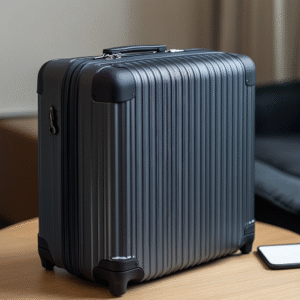
Invest in suitcases with integrated TSA-approved combination locks, reinforced corners, and slash-resistant panels made from stainless-steel mesh or Kevlar fibers. Studies show that slash-resistant bags deter 85% of grab-and-run thefts. For daypacks, models with hidden rear-access compartments pressed against your back thwart snatch attempts. Always add a small combination lock to primary compartments. Additionally, portable door alarms—wedged under hostel or hotel doors—emit a piercing siren at the slightest movement, alerting you and nearby guests immediately. These gear choices form the bedrock of Anti-Theft Solutions: Protecting your possessions around the clock.
Wallets and Purses Safeguards
Adopt a multi-layer wallet strategy to minimize risk:
Hidden Money Belt: Worn under clothing, it holds the bulk of your cash and backup cards.
Front-Pocket RFID Sleeve: Protects against electronic skimming of contactless credit cards.
Hotel Safe Storage: Use a secure safe at accommodations for passports, additional funds, and valuables.
Splitting cash and cards across multiple locations means a thief accessing one container only gets a fraction of your resources—an essential principle of Anti-Theft Solutions: Protecting your liquidity on the road.
Tech Security: Phones and Laptops
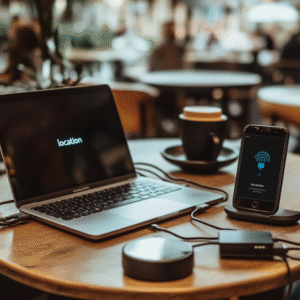
Your electronic devices are gold mines for thieves. Register serial numbers with manufacturers and online databases, then install tracking apps like Find My iPhone or Google Find My Device. When working in cafes or coworking spaces, secure laptops with Kensington locks to immovable objects. On smartphones, enable strong passcodes, biometric locks, and remote-wipe capabilities. Offload rarely used files to encrypted cloud folders, then wipe local replicas. This digital fortress—encrypting sensitive folders, using VPNs on public Wi-Fi—completes your Anti-Theft Solutions: Protecting framework.
Advanced Prevention Strategies
Once your essentials are secured, deepen protection with financial and technological measures that anticipate sophisticated threats.
Travel Insurance and Registrations
A robust travel insurance policy can reimburse stolen items and cover emergency document replacements. Document the make, model, and serial number of every valuable—photograph it and note details—then upload to your insurer’s portal or app. According to the Global Travel Insurance Association, properly documented claims settle 50% faster. Consult our Travel Insurance Guide to select coverage matching your gear’s value and travel style. Combining insurance with physical deterrents yields comprehensive Anti-Theft Solutions: Protecting for both possessions and finances.
If you’d like a step-by-step companion to lock in every tip—from choosing the right locks to executing emergency response plans—check out the Travel Mastery Program. It’s packed with expert-vetted packing checklists, safety protocols, and on-the-ground tactics so you can travel confidently and keep your belongings protected. Explore the Travel Mastery Program here.
Smart Gadgets and Device Setup
Leverage technology innovations: hide GPS trackers in luggage seams, use smart door-lock adapters in rental units, and carry wearable personal alarms connecting directly to local emergency services. Program your phone to auto-lock after 30 seconds and enable push alerts for unusual activity. Use password managers locked behind two-factor authentication to prevent credential theft. These digital defenses augment physical locks, turning your devices into active guardians—a new frontier in Anti-Theft Solutions: Protecting.
Digital Backups and Encryption
Don’t just secure hardware—secure data. Scan and encrypt passports, visas, and insurance policies into cloud services like Google Drive or Dropbox. Email secure copies to yourself and a trusted contact. For communication, use end-to-end encrypted messaging apps (Signal, WhatsApp) to share itinerary updates with family or travel partners. This redundancy ensures that even if devices are lost or stolen, your crucial information remains intact—an often-overlooked layer of Anti-Theft Solutions: Protecting.
Destination-Specific Tips
No single solution fits every locale. Customize your Anti-Theft Solutions: Protecting tactics to the environments you visit.
Urban Environments
In densely populated cities, maintain front-carry bag positions and avoid reading paper maps on sidewalks—review routes discreetly on your phone inside cafés. Peak tourist attractions like museums and plazas see up to 30% more pickpocket activity during summer months. Explore off-peak hours and less crowded neighborhoods using our Hidden Gems guide to minimize exposure. On subways, position your hand on your bag strap and remain alert when doors open and close.
Rural and Remote Areas
In remote regions, lockers and safes may be unavailable. Carry a portable mesh travel safe that locks to bed frames or vehicle seats. When camping, store valuables in waterproof, lockable duffels hauled by porters or secured inside vehicle trunks. Confirm secure storage with tour operators before arrival. These localized adaptations ensure Anti-Theft Solutions: Protecting remains effective where formal security infrastructure is limited.
Festivals and Events
Music festivals, religious ceremonies, and sporting events attract crowds ripe for orchestrated thefts. Wear minimal jewelry and choose clothing with hidden zippered pockets. Use lockable crossbody bags worn under clothing. If photographing the event, use discreet action cameras on wrist mounts instead of dangling DSLRs. Adjusting your gear and behavior embeds Anti-Theft Solutions: Protecting seamlessly into high-energy settings.
Real-World Case Studies and Lessons Learned
Learning from others’ experiences reveals what truly works:
Barcelona Subway Sting: A reinforced backpack with slash-proof fabric repelled a coordinated pickpocket attempt, saving a traveler’s wallet and documents.
Bogotá Luggage Relay: GPS trackers hidden in luggage allowed one tourist to recover bags misplaced by airlines, underscoring the value of small, affordable devices.
Tokyo Data Lockdown: A stolen smartphone’s remote-erase feature protected a digital nomad’s client information, avoiding identity theft and financial loss.
These incidents affirm that strategic Anti-Theft Solutions: Protecting choices—slash-resistant bags, tracking devices, encryption—yield tangible benefits when theft strikes.
Tools and Resources for Anti-Theft
U.S. Department of State Travel Advisories: Up-to-date safety alerts at travel.state.gov.
YouTube Tutorial: “Luggage Security 101” on YouTube: https://www.youtube.com/watch?v=EXEVj0k9Lc8 offers step-by-step gear demos.
Internal Link: Combine these tips with our Digital Nomad Visa Guide to address both entry requirements and security.
How to Respond if Theft Occurs
Stay Calm: Panic clouds judgment—take deep breaths.
Notify Authorities: File a local police report immediately—insurer requirement.
Embassy Contact: For stolen passports, contact consular services for emergency replacements.
Financial Freeze: Block cards instantly via your banking app.
Remote Wipe/Locate: Engage tracking apps to locate or erase devices.
Community and Social Impact
Supporting local anti-theft workshops and neighborhood watch programs strengthens safety for residents and tourists alike. NGOs in popular destinations offer theft-prevention training for small businesses, fostering a security-conscious tourism ecosystem. By participating or donating, you extend your Anti-Theft Solutions: Protecting ethos beyond individual measures to collective well-being.
Psychological Vigilance Techniques
Maintaining mental alertness complements physical defenses:
Situational Awareness Drills: Practice scanning for exits and noting crowd behavior before entering busy areas—these “mental snapshots” improve recall if needed.
Bias Mitigation: Counter optimism bias with pre-trip scenario planning—visualize your response to potential theft events to prepare your mind and actions.
Night-Time & Special Events Protection
Low-light conditions invite stealthy tactics. Use reflective bag straps and carry a tactical flashlight to inspect locks and survey surroundings. Secure valuables in hotel safes rather than room drawers when attending nightlife districts. Portable door and window alarms reinforce Anti-Theft Solutions: Protecting after dusk.
Budget vs Premium Gear: Finding Balance
Cost-Effective Essentials
DIY hacks—bike-cable luggage straps, basic padlocks, and RFID sleeves—offer strong deterrence for under US$20. A simple kit combining these elements fulfills core Anti-Theft Solutions: Protecting needs without high expense.
When to Invest in Premium Gear
Frequent travelers or those with high-value electronics benefit from slash-proof backpacks, biometric safes, and GPS-enabled locks. Though pricier, these investments thwart advanced theft attempts, making them prudent additions to your long-term Anti-Theft Solutions: Protecting arsenal.
Conclusion
By integrating Anti-Theft Solutions: Protecting strategies—combining robust gear like slash-resistant luggage and GPS trackers, discreet practices such as concealed money belts and regular security checks, and smart digital measures like encrypted backups and remote-wipe features—you build a multi-layered defense that deters theft before it happens. Cultivating situational awareness, leveraging local and online networks, and securing comprehensive travel insurance adds further protection. If theft does occur, prompt action—filing police reports, contacting your embassy, and freezing financial accounts—minimizes disruption and helps you recover faster. Remember, no single tactic is foolproof; it’s the synergy of physical, digital, and psychological defenses that truly safeguards your journey. With these solutions in place, you can wander freely, confident that your valuables are secure and your focus remains on making lasting memories. Safe travels await—arm yourself with Anti-Theft Solutions: Protecting your belongings abroad and explore the world with peace of mind.
Frequently Asked Questions (FAQ)
Q1: Which luggage lock combines security with travel convenience?
The best option is a TSA-approved cable lock with a resettable combination dial. The steel cable resists cutting, while the TSA feature lets screeners open your lock without breaking it. This balance of strength and flexibility makes it ideal for most trips.
Q2: How effective are Bluetooth or GPS trackers at recovering stolen luggage?
Compact trackers like AirTag or Tile Pro work by relaying location data when they pass near compatible devices. They won’t guarantee recovery, but many travelers report finding misplaced bags this way. Always hide the tracker inside a seam or pocket to keep it discreet.
Q3: What level of travel insurance coverage do I need for electronics?
Insure devices at 125–150% of their market value to cover depreciation and any expedited shipping costs. Photograph each item’s serial number and upload these details to your insurer before departure. This preparation speeds up claims and ensures you’re fully covered.
Q4: Why should I split cash and cards across multiple locations?
Distributing funds reduces the impact of any single theft. Keep emergency reserves in a hidden money belt, daily spending cash in an RFID-blocking wallet, and backups locked in a hotel safe. This layered approach means you always have access to alternative funds.
Q5: What’s the fastest way to block a stolen credit card?
Most banking apps offer an instant “freeze” or “block” feature. Before you travel, enable push notifications and familiarize yourself with the app’s card controls. In case of theft, you can halt all transactions with a single tap.
Q6: Which simple habit most reduces theft risk?
Perform a quick security check every 5–10 minutes: glance at your bag straps, zipper closures, and pocket openings. This brief routine catches subtle tampering before thieves can act. Over time, it becomes an effortless part of your travel routine.

